
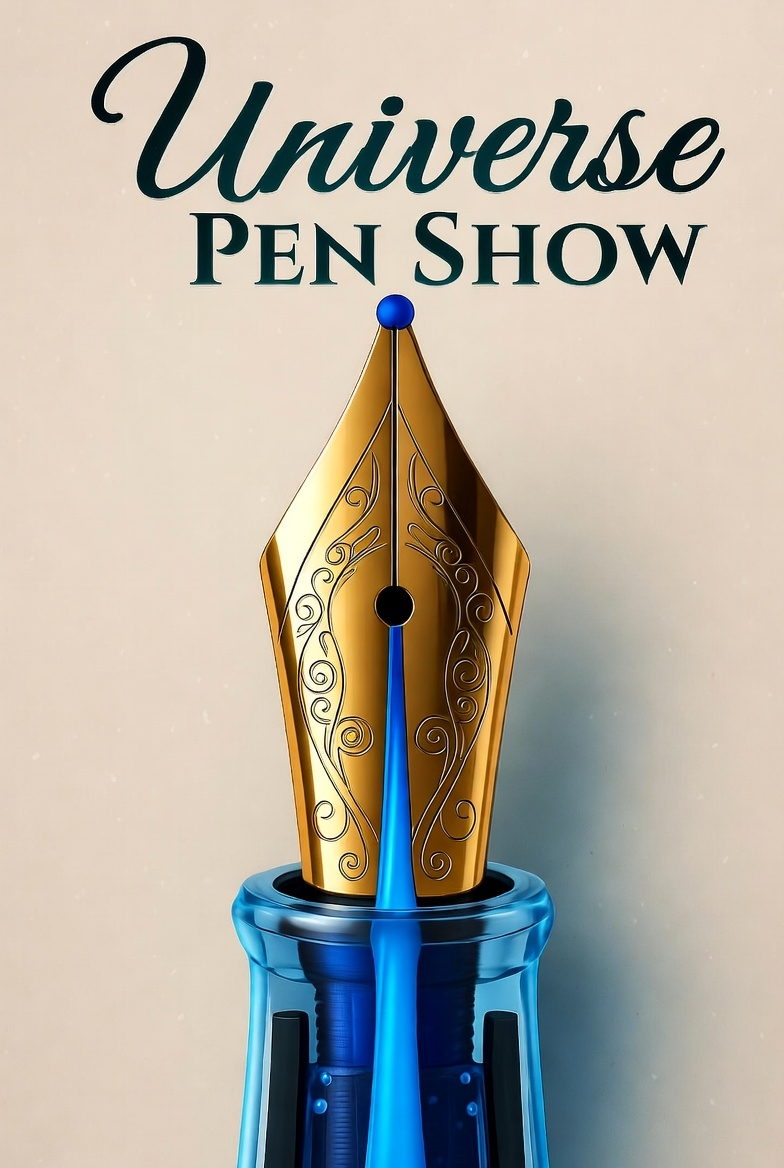
Universe Pen Show: INK
The Science of Ink Flow: How Capillary Action Works in a Fountain Pen
Fountain pens are not only iconic writing instruments, but they also rely on a fascinating natural process to ensure ink flows smoothly and evenly. This process, known as capillary action, is what powers the ink’s journey from the reservoir to the nib, enabling a seamless writing experience. But how exactly does it work? Let’s dive into the science behind ink flow and understand the role capillary action plays in the performance of your fountain pen.
What Is Capillary Action?
Capillary action is a phenomenon that occurs when a liquid moves through a narrow space or tube against the force of gravity. This happens due to the interaction between the liquid and the surface of the material it moves through. In the case of a fountain pen, this liquid is ink, and the narrow space is the small channels inside the pen’s feed system.
The key factors at play are adhesion and cohesion. Adhesion refers to the ink’s ability to stick to the surfaces inside the pen, such as the nib and the feed channels. Cohesion, on the other hand, is the ink’s tendency to stick to itself. Together, these forces pull the ink upwards and forward from the reservoir, through the ink feed, and finally to the nib for smooth writing.
The Fountain Pen Feed System: A Perfect Design for Capillary Action
The feed system of a fountain pen is designed with capillary action in mind. It consists of a series of fine grooves or channels that guide the ink from the reservoir to the nib. These tiny channels are crucial for controlling the flow of ink, ensuring it reaches the nib at just the right speed and volume.
When you start writing, the nib touches the paper, and the capillary action draws ink from the feed, where it’s absorbed by the nib. This controlled flow results in a smooth, uninterrupted writing experience, whether you’re sketching, journaling, or writing letters. The precise design of the feed system allows the pen to regulate ink flow without overloading or underfeeding the nib.
Factors Affecting Capillary Action in a Fountain Pen
Several factors can influence the efficiency of capillary action in a fountain pen:
1. Ink Viscosity: Thicker inks (like gel or some high-end inks) may not flow as smoothly through the capillary channels, while thinner inks flow more easily.
2. Nib Size and Material: Larger nibs can hold and release more ink, affecting how quickly ink flows. Additionally, the material of the nib (e.g., gold, steel, or titanium) can impact the capillary action.
3. Pen Design: The size of the ink channels in the feed, along with the overall design, plays a significant role in ensuring that capillary action works efficiently. A well-designed fountain pen balances these factors for optimal ink delivery.
4. Paper Type: The absorbency of the paper you write on can affect how well ink flows from the nib. Highly absorbent paper may cause ink to flow faster, while non-absorbent paper can slow the process down.
Why Capillary Action Matters for Fountain Pen Enthusiasts
For fountain pen users, understanding capillary action isn’t just about appreciating the science behind ink flow—it’s about enhancing your writing experience. A well-functioning capillary system means consistent ink delivery, no skips, and a smooth writing session.
Fountain pen enthusiasts often seek out pens that demonstrate exceptional ink flow, which is largely a result of a finely-tuned capillary action system. Whether you’re writing with a fine point or a broad nib, understanding the mechanics of ink flow allows you to choose pens and inks that suit your style.
Conclusion: The Beauty of Capillary Action in Fountain Pens
Capillary action is a hidden hero in the world of fountain pens, ensuring a smooth, controlled ink flow with every stroke. The delicate balance between adhesion, cohesion, and design makes fountain pens unique, offering a premium writing experience that’s hard to match. Next time you pick up your fountain pen, remember the science at work beneath your fingertips, making your writing smoother and more enjoyable with each line.


Reviews
There are no reviews yet.